
AI Character Voices: Anime, Games and Roleplay Fish Audio
Cast anime, game and roleplay characters with expressive AI voices: clone a character voice from a 15 second sample, direct emotion with tags, and generate lines from $9 with no subscription.
Character voice work has two hard requirements. Range, so a character can be furious in one line and barely audible in the next. And consistency, so the same character sounds like the same person at hour forty of a game and episode ninety of a series. Both are mostly script problems, and both are workable with the same engine that narrates audiobooks and voice overs.
This guide covers how casting, cloning and directing work here, and what voicing a scene, a game or a running series actually costs.
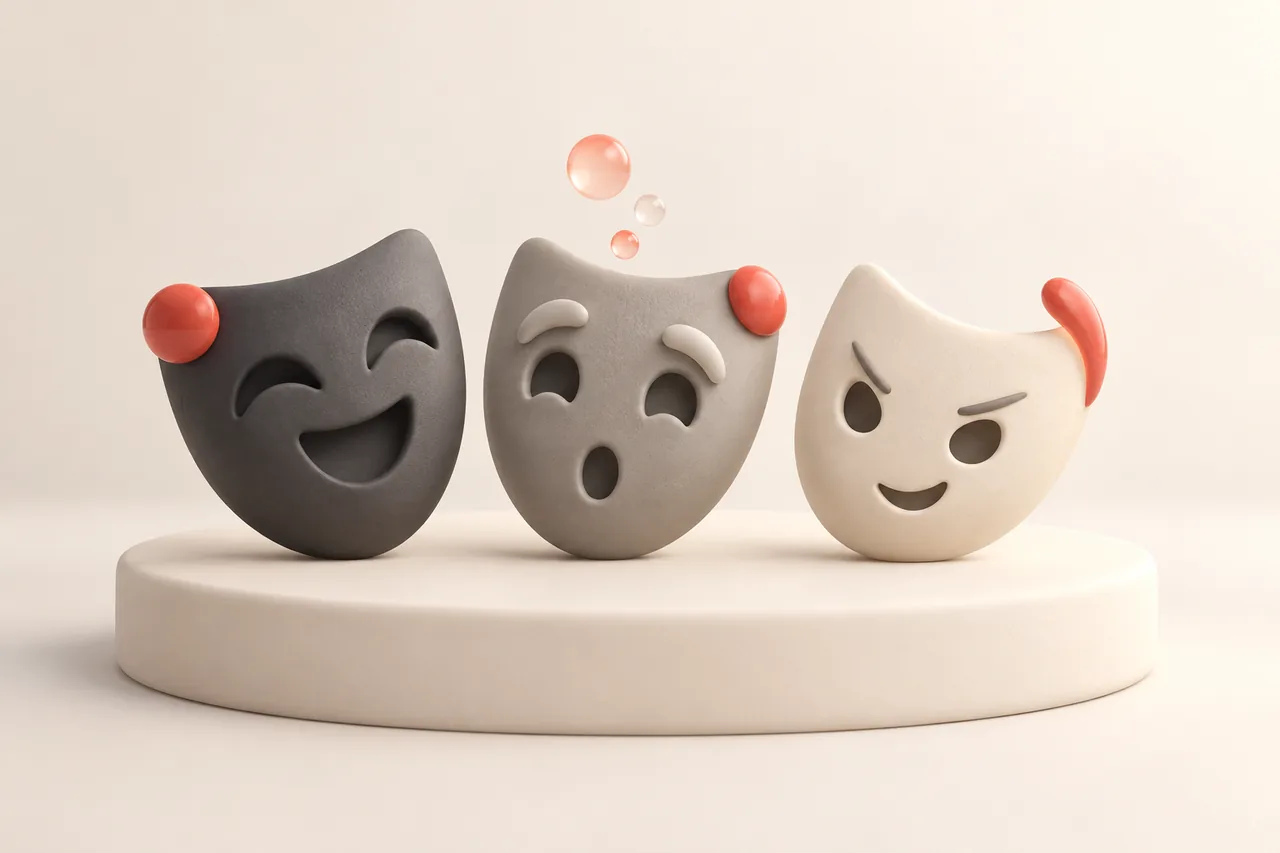
What separates a usable character voice from a demo?
Four things, and casting tests should check all four:
- Range. The voice has to carry an emotional shift without sounding like two different people stitched together.
- Contrast. Two characters in the same scene must not blur into one, especially in fast dialogue.
- Endurance. A voice that is charming for ten lines has to stay listenable at ten thousand.
- Repeatability. The same voice has to return next episode, next patch, and in every language the release ships in.
Most auditions fail on the second point. Voices are picked one at a time and judged alone, then the first two-character scene turns into an accidental duet. Shortlist in pairs: play your two leads back to back before you commit to either.
How do you cast from the voice library?
The library hosts more than 2,000,000 voices, including character voices alongside narration voices. The practical method is subtraction rather than browsing:
- Write one real scene first. Ten lines across two characters tells you more than any sample paragraph.
- Filter by register, not by vibe. Decide whether the character is low and steady or bright and quick before you start listening.
- Audition finalists on the scene. A voice that wins the sample can lose the scene; hearing it read your actual lines is the only test that matters.
- Check partner contrast. Audition the second character against the first finalist, not in isolation.
- Save the shortlist with the project notes. The voice library guide covers the full method, including how to describe a voice so a collaborator finds it again.
If nothing in the library fits — a specific accent, a voice your audience already knows from earlier recordings — cloning is the alternative.
How does cloning a character voice work?
Cloning takes a 15 second recording and builds a voice you can reuse. That is enough to pick up tone, pitch and speaking style. The sample needs to be clean and representative: one speaker, no music, no overlapping voices, natural pace. The voice cloning guide covers how to record one.
The rights question is the part that matters for character work, so make it boring and documented:
- Your own performance: fine.
- A voice actor recording for the role: get a release that names the project, the scope and the duration.
- A licensed voice: keep the licence with the project files.
- A public figure, a streamer, or a voice actor you have not hired: not allowed. No consent, no clone — that is both the platform rule and, in most places, the law.
Twenty minutes of paperwork at the start prevents the conversation where you have to re-cast a shipped character.
How do you direct a performance with tags?
Directing happens inside the script. Short tags such as [excited], [whispering] or [pause] tell the voice how a line should land, and natural-language descriptions set tone for a whole section. Because the direction lives in the text, a line generated today can be regenerated in a month with the same intent.
Practical conventions from dialogue-heavy projects:
- One tag per emotional beat, not per sentence. Tag the turn, the threat and the joke; leave the rest neutral so the contrast lands.
- Vary energy across a scene, not within a line. A line that whimpers, shouts and recovers in eight words reads as an error, not range.
- Write pauses as punctuation first. If a comma fixes it, do not spend a tag on it.
- Keep a voice bible. Voice choice, tag vocabulary, and pronunciation notes for invented names, one page per project. It is what keeps episode nine sounding like episode one.
Multispeaker output helps scenes: dialogue between two voices is generated as one piece of audio, so interruptions and short replies keep natural timing instead of sounding stitched.
What does a full project look like?
Three shapes cover most work:
- Visual novels and RPGs. Thousands of short lines. Generate scene by scene, keep one character per batch, and regenerate single lines when the writer iterates. A 300,000 character script is about 300 credits, and the paragraph-level workflow keeps re-recording costs near zero.
- Animated shorts and comics. Fewer lines, more performance. Audition hardest here: the voice is the character's whole presence on screen.
- Roleplay and interactive content. Consistency across sessions matters more than polish. Fix the voice and the tag vocabulary once, then let the session script vary.
Across all three, the cost rule is steady: one credit per 1,000 characters, roughly four lines of dialogue per credit. That pricing — and the fact that character work does not need API access — is why most character projects fit in the $29 Creator pack, which also carries the commercial rights you need to publish.
Frequently asked questions
Can I clone a voice for a game or animated character?
Yes, when you have the rights to the voice: your own performance, a voice actor who has signed a release, or a voice you licensed. Clone it from a 15 second sample and reuse it for every line the character speaks. Cloning a public figure or a voice actor without permission is not allowed.
Does the library have anime and game style voices?
The voice library hosts more than 2,000,000 voices, including character-style voices alongside narration voices. Audition candidates on your own script lines before committing; a voice that fits a showcase clip can still fall apart on a long scene.
How do I keep a character sounding the same across a series?
Settle the voice once, write your tag conventions into the script (for example [excited] or [whispering] where the mood changes), and keep the script as the source of truth. Regenerate single lines instead of whole scenes when something changes.
How much does a character line cost?
One credit covers about 1,000 characters. A 40 word line of dialogue is roughly 250 characters, so four lines cost about one credit; a 300,000 character visual novel costs about 300 credits, which fits inside the $29 Creator pack.
Can I publish a game or a monetized series with these voices?
Commercial usage rights start with the $29 Creator pack, which covers client work and monetized content. Keep the consent records for every cloned voice together with the project files.
Related
- Fish Audio voices - how to shortlist library voices and match one to a script.
- Fish Audio voice cloning - recording a 15 second sample that survives a full script.
- AI voice for TikTok - character skits and short-form formats that run on the same voices.